
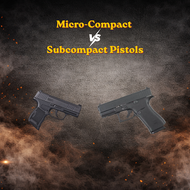
Micro-Compact vs Subcompact Pistols: Which One Should You Carry?
Posted by JX Tactical on Oct 6th 2026
Micro-Compact vs Subcompact Pistols: Which One Should You Carry?
Meta Title: Micro-Compact vs Subcompact Pistols | Which Is Better for Concealed Carry?
Meta Description: Compare micro-compact vs subcompact pistols for concealed carry. Learn which is easier to carry, shoot, and conceal with real-world examples like Glock 43X and P365.
When it comes to concealed carry, one of the most common questions we see is:
Should you carry a micro-compact or a subcompact pistol?
Both are solid options. Both are widely used. But they serve slightly different roles depending on how you carry, what you wear, and what you prioritize.
If you’re trying to decide between the two, here’s what actually matters—and how to choose the right one for your setup.
What Is a Micro-Compact Pistol?
Micro-compacts are designed specifically for concealed carry. They’re built to give you maximum capacity in a slim, easy-to-conceal package.
Popular micro-compact pistols include:
- Glock 43X / Glock 48
- Sig Sauer P365 / P365 XL
- Springfield Hellcat
- Smith & Wesson Bodyguard 2.0
- Canik MC9
- FN Reflex
- H&K CC9
These pistols are typically:
- Slim through the slide and grip
- Lightweight for all-day carry
- Easier to conceal under t-shirts and lighter clothing
- Higher capacity than older single-stack designs
This category has quickly become the standard for everyday carry.
What Is a Subcompact Pistol?
Subcompacts are slightly larger and have been around longer. Think of them as a downsized version of a duty pistol.
Common examples include:
- Glock 26
- S&W M&P series
- Springfield XD Subcompact
They’re typically:
- Thicker through the grip and slide
- Heavier
- Slightly harder to conceal
- Easier for some people to shoot consistently
Subcompacts aren’t built strictly for concealment—they’re built to balance concealment and shootability.
The Real Differences That Matter
1. Concealment
This is where micro-compacts stand out.
Their slimmer profile makes them:
- easier to hide under lighter clothing
- less likely to print
- more comfortable for all-day carry
If you’re carrying in a t-shirt, especially in warmer weather, micro-compacts like the Glock 43X and P365 are hard to beat.
Subcompacts can still be concealed—but they require a more dialed-in setup.
2. Capacity
This used to be a major advantage for subcompacts—but not anymore.
Modern micro-compacts offer:
- 10–15 round capacity
- flush-fit or extended options
That puts guns like the P365 XL and Glock 43X right in line with—or better than—many subcompacts.
Capacity is no longer the deciding factor it once was.
3. Shootability
Subcompacts still have an edge here for some shooters.
They offer:
- more weight to absorb recoil
- thicker grips for control
- a slightly more “full-size” feel
That said, modern micro-compacts have improved a lot. Guns like the P365 XL, Hellcat, and Canik MC9 are very shootable once you spend time with them.
For most people, the difference comes down to training—not just size.
4. Comfort While Carrying
This is where your setup matters more than the gun itself.
Micro-compacts:
- lighter
- less pressure on the body
- easier for long days
Subcompacts:
- more weight
- more surface area against your body
- can create pressure points if your setup isn’t right
This is where holster design makes a big difference.
Holsters like our Fat Guy Holster®, IWB 2.0, and Skinny Guy Holster are built to manage those pressure points and help distribute weight more effectively—whether you’re carrying a micro-compact or something larger.
Your Setup Matters More Than You Think
The biggest mistake people make is thinking the gun alone determines comfort and concealment.
It doesn’t.
Holster
A properly designed holster can:
- reduce printing
- improve comfort
- make a larger gun easier to carry
That’s why some people comfortably carry subcompacts—or even larger—once their setup is dialed in.
Belt
A good belt keeps everything stable.
Without it:
- holsters shift
- pressure increases
- concealment suffers
Using a Kore belt or a Leisure Carry belt helps keep your setup consistent throughout the day, especially when sitting, moving, or adjusting.
Magazine Carry
If you’re running a micro-compact, carrying a spare magazine makes even more sense.
You get:
- additional capacity
- a backup if something fails
A mag pouch completes the setup and keeps everything accessible without adding unnecessary bulk.
Lights
Lights are another factor that can influence your setup.
- A weapon light adds capability but requires a light-bearing holster
- A handheld light is one of the most useful EDC tools you can carry
For many people, a handheld light is the easiest way to add capability without changing their holster setup.
When a Micro-Compact Makes More Sense
Micro-compacts are usually the better choice if:
- You prioritize concealment
- You wear lighter clothing most of the time
- You want a slimmer, lighter setup
- You carry for long hours
- You’re newer to concealed carry
This is why models like the Glock 43X and P365 have become go-to options.
When a Subcompact Makes More Sense
Subcompacts may be the better option if:
- You prioritize shootability and control
- You prefer a thicker grip
- You already shoot them better
- You don’t mind a little extra bulk
- You typically carry with heavier clothing
For some people, that added control is worth the tradeoff.
The Real Answer: Carry What You’ll Actually Carry
The best concealed carry gun isn’t the smallest or the highest capacity.
It’s the one you’ll actually carry every day.
For most people:
- Micro-compacts are easier to carry
- Subcompacts are easier to shoot
But your holster, belt, clothing, and overall setup can shift that balance either way.
Final Thoughts
Micro-compacts have become the standard for everyday concealed carry—and for good reason. They offer strong capacity in a smaller, more comfortable package.
Subcompacts still have their place, especially for shooters who want more control and don’t mind a little extra size.
The key is building a setup that works together:
- the right holster
- the right belt
- a spare magazine
- the right lighting setup
- and a system you’ll actually carry
When those pieces come together, either option can work.
Holsters for Every Body.